Bringing Joy to Your Designs with the Happy Happy Font
There is a specific kind of magic that happens when typography matches the emotion you are trying to convey. You know the feeling: you are drafting an invitation for a summer birthday bash, or perhaps designing a social media graphic to announce a big personal milestone, and the standard serif or sans-serif fonts just feel too stiff. They lack the bounce, the energy, and the sheer exuberance required for the moment. This is exactly where Happy Happy steps in. It isn't just a set of characters; it is a design tool specifically engineered to inject vibrancy into your creative projects.
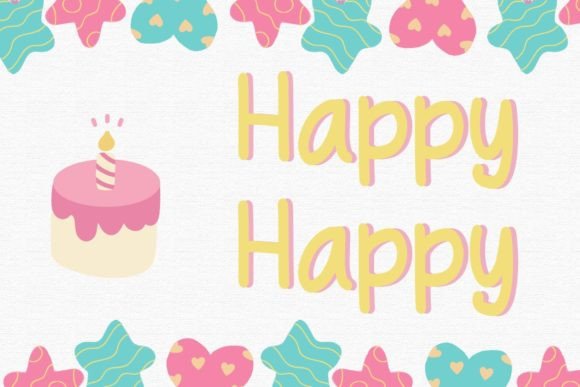
At its core, Happy Happy is a display typeface that embodies infectious energy. Unlike utility fonts designed for long-form reading or corporate reports, this font is built for impact. It features rounded edges, varying stroke weights, and a playful baseline that mimics the natural irregularity of hand-lettering without sacrificing legibility. When you type out a message using this font, the letters seem to dance on the page. Whether you are creating greeting cards, invitations, or social media posts, this font will add a vibrant touch that captures the essence of happiness. It allows your words to come to life, transforming a simple sentence into a visual celebration.
Real-World Scenarios Where Happy Happy Shines
The true value of a typeface like this is best understood through how it functions in everyday creative situations. It is not about the technical specifications of the kerning or the x-height; it is about the reaction it elicits from the viewer. Here is how different users can leverage this tool to elevate their work.
Event Planning and Personal Celebrations
For anyone organizing events, the invitation sets the tone before the guest even arrives. If you are planning a children's birthday party, a baby shower, or a casual backyard barbecue, the typography needs to signal "fun" immediately. Using Happy Happy on digital invites sent via email or printed cardstock creates an instant sense of warmth. It tells the recipient that this event will be relaxed and joyful. Imagine a header on a menu for a brunch gathering; the bouncy nature of the letters complements the idea of pancakes and mimosas far better than a rigid geometric font ever could.
Beyond invitations, consider the signage. A chalkboard welcome sign at a wedding reception or a banner for a graduation party gains personality when rendered in this style. It breaks the ice and encourages guests to get into a celebratory mindset the moment they walk through the door.
Social Media and Content Creation
In the fast-paced world of social media, you have mere seconds to stop a scroll. Content creators aged 20 to 50 often struggle to make their graphics stand out amidst a sea of polished, minimalist aesthetics. While minimalism has its place, there is a growing appetite for content that feels authentic, human, and approachable. Happy Happy is perfect for Instagram stories announcing a sale, YouTube thumbnails for lifestyle vlogs, or Pinterest pins sharing happy quotes.
When used for motivational quotes or affirmations, the font reinforces the message. The visual weight of the letters carries the emotional load of the words. A post saying "Good Morning!" feels significantly more energetic when the typography itself looks like it is smiling. Small business owners selling handmade goods, such as jewelry or baked treats, can use this font in their promotional graphics to convey the care and love put into their products.
Greeting Cards and Stationery
The market for physical stationery remains robust because people crave tangible connections. If you are a designer selling on platforms like Etsy or creating cards for local boutiques, the choice of font can make or break a product line. Happy Happy is ideally suited for occasions that revolve around pure joy: birthdays, anniversaries, new baby announcements, and "just because" notes.
However, it is also powerful when used ironically or for contrast. Placing a funny, slightly sarcastic message in such a cheerful font can create a delightful juxtaposition that resonates with modern humor. The key is letting the font do the heavy lifting regarding the mood, allowing the message to land with maximum impact.
Who Benefits Most from This Typeface?
Different professionals and hobbyists will find unique advantages in adopting Happy Happy into their workflow.
- Graphic Designers: For freelancers juggling multiple clients, having a go-to font for "happy" projects saves time. Instead of hunting through hundreds of files to find something playful yet readable, this font offers a reliable solution that works across print and digital media.
- Small Business Owners: You don't need a degree in design to make your brand look friendly. Using this font on your packaging labels, store window decals, or website headers can make your brand feel more accessible and community-focused.
- Teachers and Educators: Creating classroom materials, reward certificates, or newsletter headers becomes easier when the text itself engages students. The friendly nature of the letters can make learning environments feel less intimidating and more inviting.
- Bloggers and Writers: For those who write about lifestyle, travel, or parenting, incorporating this font into blog graphics helps maintain a consistent, upbeat brand voice that aligns with their written content.
Practical Considerations Before You Begin
While Happy Happy is undeniably charming, effective design requires knowing when not to use a tool as much as knowing when to use it. Because this font is so expressive, it demands context. It is a display font, meaning it is optimized for headlines, short phrases, and titles. Attempting to write a long paragraph or a block of body text in Happy Happy would be a mistake; the reader's eye would fatigue quickly due to the decorative nature of the characters.
Legibility is another factor to keep in mind. While generally clear, highly stylized fonts can sometimes lose clarity at very small sizes. If you are designing a business card or a flyer with fine print, reserve Happy Happy for the name and the headline, and pair it with a clean, simple sans-serif font for the details like addresses, dates, and contact information. This pairing creates a balanced hierarchy where the fun font grabs attention, and the neutral font delivers the necessary data.
Furthermore, consider your audience. If you are designing for a law firm, a financial institution, or a somber memorial service, the exuberance of Happy Happy would be inappropriate. It thrives in contexts celebrating life, growth, and connection. Understanding the emotional resonance of your project is crucial. The goal is to enhance the message, not distract from it.
Maximizing the Impact
To get the most out of this font, experiment with color. Happy Happy often looks fantastic in bright, saturated hues that match its energetic personality. Think coral, turquoise, sunshine yellow, or hot pink. However, it also holds its own in black and white, relying on the shape of the letters to convey the mood. Don't be afraid to rotate letters slightly or adjust the tracking to create a custom, hand-placed feel, although the font likely comes with built-in alternates to achieve this naturally.
Ultimately, typography is the voice of your design. If your project needs to shout with joy, whisper with warmth, or dance with excitement, Happy Happy provides the vocabulary to do so. It bridges the gap between a static image and an emotional experience, ensuring that when people read your words, they feel the happiness you intended to share. By choosing the right tool for the right moment, you transform ordinary communication into something memorable and truly alive.